
TECHNICAL INFORMATION
How Mother Vegetable Achieve Differs from Conventional Spirulina
A comparison of cultivation environment, quality control, production technology and nutritional composition
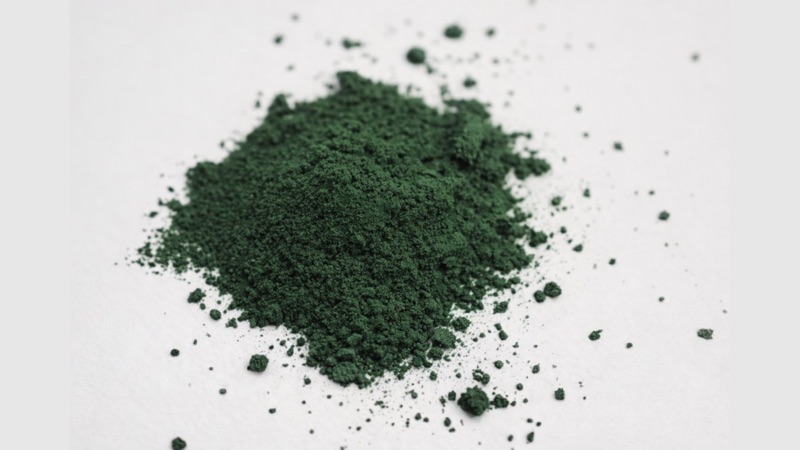
Mother Vegetable Achieve is a powder made by cultivating protein-rich microalgae and processing them into a food raw material. The main differences from conventional spirulina, with which Achieve is often compared, lie in the cultivation environment, the method of controlling light, the approach to the risk of contamination by impurities from outside, and the structure of the production facilities.
Commercial production of spirulina uses outdoor open ponds that rely on natural sunlight.
Mother Vegetable Achieve, by contrast, uses a managed indoor cultivation environment and a cultivation method that controls conditions such as LED lighting, temperature, water quality and CO₂ supply.
With this method, we aim to reduce the risk of contamination by foreign matter originating outdoors, adjust the light environment according to the growth stage, stabilize cultivation conditions and make effective use of a limited site area.
In addition, Achieve contains 65 g of protein per 100 g and approximately 16–20 g of C-phycocyanin per 100 g (in-house analysis).
This page explains these features in comparison with conventional outdoor open-pond spirulina cultivation.
CULTIVATION COMPARISON
How Mother Vegetable Achieve Differs from Conventional Spirulina
Differences in Cultivation Environment, Quality Control and Production Method
Spirulina can be cultivated by several methods, including outdoor open ponds, closed photobioreactors and tubular cultivation systems. Outdoor open-pond cultivation is suited to large-scale production and can make direct use of sunlight. On the other hand, it is readily affected by the external environment, including rainfall, air temperature, solar radiation and airborne dust. Closed photobioreactors and tubular cultivation systems are difficult to clean and incur labor costs, and scrubbing the equipment during cleaning wears it down, creating a risk that the worn material ends up in the spirulina.
Mother Vegetable Achieve uses an indoor cultivation method in which light, temperature, water quality and other conditions are managed.
(Facility name: Small Earth Factory) In this way, we aim both to address contamination risks originating from the external environment and to stabilize cultivation conditions.
Comparison Table
Mother Vegetable Achieve is a powder for health foods with a high content of protein and phycocyanin, made by cultivating a species of the microalgal genus Arthrospira in a managed indoor environment. It differs from outdoor open-pond spirulina cultivation in how light and temperature are managed, in the risk of contamination by foreign matter from outside, and in the structure of the production facilities.
Below, the two are compared in terms of quality control, productivity, environmental impact and composition.
| Item | Mother Vegetable Achieve | Conventional outdoor open-pond cultivation |
|---|---|---|
| QUALITY CONTROL | ||
| Cultivation environment | Fully indoor cultivation | Outdoor open ponds |
| Rainwater ingress | Direct inflow suppressed | Protection against rain required |
| PM2.5 and dust | Reduced risk of contamination from outside | Affected by the external environment |
| Foreign microorganisms | Contamination risk managed in a closed environment | Measures against intrusion from outside required |
| Heavy metals, etc. | Quality of culture water and raw material controlled | Depends on culture water and environment |
| Temperature | Controlled by equipment | Readily affected by sunlight and air temperature |
| PRODUCTIVITY & ENVIRONMENT | ||
| Light source | Proprietary LED lighting | Sunlight |
| Wavelength control | Wavelength and intensity adjusted | Natural light, with shading etc. as needed |
| Photoinhibition control | Lighting conditions adjusted | Managed according to sunlight and water temperature |
| Production period | Grows to shipping size in as little as 24 hours under specific conditions | Varies with conditions and harvest criteria (e.g. 7–30 days) |
| Cultivation method | 10-layer multi-tier tanks | Flat cultivation ponds |
| AI management | AI-based optimization in progress (joint research with the University of Nottingham, UK) |
Depends on the producer and equipment |
| Power | Runs on solar power and storage batteries | Power sources vary |
| CO₂ | Taken up through photosynthesis | Taken up through photosynthesis |
| NUTRITIONAL COMPOSITION | ||
| Protein | 65 g / 100 g (in-house analysis) | Approx. 55–70% (dry weight, in the literature) |
| C-phycocyanin | Approx. 16–20 g / 100 g (in-house analysis) | Varies with strain, conditions and measurement method |
Key Points of the Comparison
The main feature of Mother Vegetable Achieve is that the microalgae (genus Arthrospira) are cultivated in an indoor environment managed by AI, in which proprietary LED light, temperature, water quality, CO₂ supply and other factors can be controlled.
In particular, adjusting wavelength and light intensity with proprietary LED light and securing cultivation area with multi-tier tanks are equipment features that differ from outdoor open-pond cultivation. We have also built an environment that suppresses the risk of contamination by foreign matter originating outdoors and makes quality control easier.
* This comparison explains differences in equipment structure and cultivation method. It does not indicate that the quality or safety of all conventional spirulina products is lower.
* The characteristics of outdoor open-pond cultivation are general tendencies of the equipment. They do not mean that all outdoor spirulina products have impurities or quality problems.
* The figures for Mother Vegetable Achieve are based on in-house analysis.
Quality Control Challenges in Outdoor Spirulina Cultivation
Open Cultivation Is Affected by the External Environment
Spirulina is a raw material with a high protein content. It has attracted attention as a "superfood", including at the United Nations as one of the foods that can help address food crises, and in recent years it has been used in the food sector. One common method of commercial production is the outdoor open raceway pond. In this method, spirulina is grown by circulating the culture medium while making use of sunlight.
Outdoor cultivation has the advantage that it is easy to produce large quantities over a wide area. On the other hand, because the culture medium is in contact with the external environment, measures are needed against contamination by foreign matter and external microorganisms and against changes in sunlight and air temperature.
2-1 | Rainwater, Dust and Foreign Matter from Outside
In outdoor ponds, rainwater, wind-blown dust, airborne particles, insects and the like may enter the cultivation environment.
Airborne fine particles such as PM2.5 can also be a source of contamination from outside, depending on the local environment and how the facilities are managed.
Suppressing such contamination requires pond design, culture water management, post-harvest processing, product testing and other measures.
2-2 | Heavy Metals and Other Substances Are Also Adsorbed and Taken Up during Cultivation
Microalgae, including spirulina, have the property of adsorbing and taking up metal components present in the surrounding water.
This property is also used in research on environmental remediation.
When spirulina is used as a food raw material, however, the possibility that heavy metals and other substances in the culture water are taken up into the raw material must be considered.
For this reason, in evaluating the quality of spirulina, testing for harmful substances such as lead, cadmium, arsenic and mercury is important in addition to nutritional components such as protein and vitamins.
2-3 | Changes in Solar Radiation and Photoinhibition
Spirulina grows through photosynthesis. However, there is an appropriate range of light intensity that can be used for photosynthesis, and excessive light, such as direct sunlight, can reduce photosynthetic efficiency. This phenomenon is called "photoinhibition".
In outdoor open-pond cultivation, solar radiation changes with the time of day, the weather and the season.
Particularly when strong sunlight or high water temperatures continue, appropriate shading, agitation and temperature control are needed.
In addition, if unsuitable cultivation conditions continue, poor growth, cell damage and cell death may occur.
If dead cells and sediment accumulate, management such as removal and cleaning is necessary.
2-4 | Contamination by Microorganisms
In outdoor open-pond cultivation, algae and bacteria other than the target spirulina may enter the culture.
In particular, contamination by other species of cyanobacteria that produce toxins is an important point to check in the quality control of a food raw material.
For this reason, in addition to managing the cultivation environment, microbiological testing of the final raw material and any necessary testing for harmful substances are important.
Indoor Cultivation of Mother Vegetable Achieve
Quality Control in a Closed Environment
Mother Vegetable Achieve uses a managed indoor cultivation method to limit the effects of changes in the external environment and contamination by foreign matter.
3-1 | Reducing the Risk of Contamination from Outside
Indoor cultivation reduces the chances of rainwater, dust and the like coming into direct contact with the culture medium.
In addition, by managing the movement of people and materials into the facility, the water used, the culture vessels and so on, hygiene control different from that of outdoor cultivation can be carried out. This is an advantage in stabilizing the quality of the raw material.
(* Being indoors does not by itself completely eliminate the risk of contamination by foreign matter or microorganisms.)
3-2 | Managing the Culture Water
Because spirulina takes up components contained in the surrounding water, the quality of the culture water is important. By using a managed cultivation environment, Mother Vegetable Achieve has achieved an environment that reduces the risk of undesirable components entering the raw material.
This effort is effective in combination with quality control to prevent heavy metals and other substances from entering the final product.
3-3 | Stabilizing Cultivation Conditions
Managing light, temperature, CO₂ supply, water quality and other factors makes it easier to keep the growth conditions of the cultured strain within a certain range.
By using an environment that is less affected by the weather, we aim for planned raw material production and less variation in quality.
Controlling the Light Environment with LEDs
Lighting Management According to the Growth Stage of Spirulina
Spirulina needs light to grow, and it is known that its growth and composition change with the intensity, wavelength and duration of the light. Outdoors, natural sunlight varies in intensity with the weather and the time of day and contains light of many wavelengths. For example, it may be night or raining when spirulina needs light, or a day of strong sunshine when it does not need light. For this reason, a method that uses natural sunlight as it is cannot always keep the light conditions needed for growth constant.
4-1 | Adjusting the Necessary Light Artificially
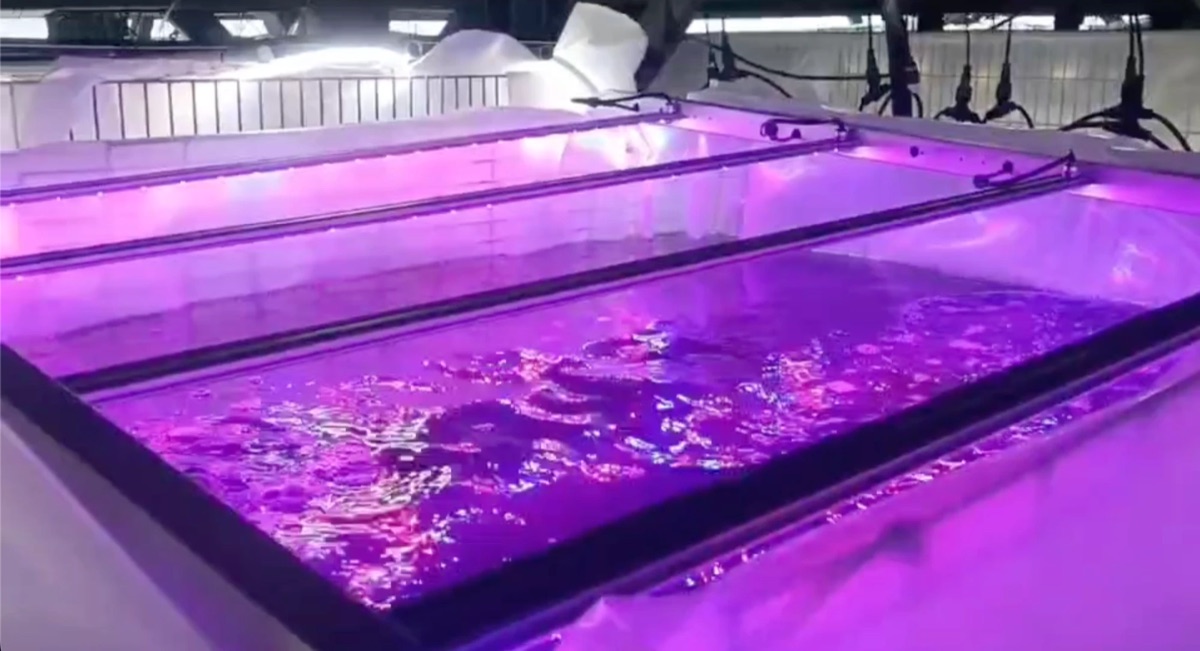
In the cultivation method of Mother Vegetable Achieve, the light environment is managed with proprietary LED lighting.
The system is configured so that the wavelength and exposure conditions of the light used for cultivation, including violet lighting, can be adjusted.
Using LEDs makes it possible to set the light intensity and exposure time needed for cultivation without depending on the strength of sunlight.
4-2 | Light Control According to the Growth Process
The light conditions required may differ between the early stage of cultivation and the stage at which culture density has increased.
Taking such differences in growth stage into account, Mother Vegetable Achieve uses a method that does not simply keep shining light under the same conditions but adjusts the light environment according to the state of the culture.
The aim of this method is to manage the conditions needed for photosynthesis while limiting the stress caused by excessive light, and to grow the culture efficiently to a state suitable for harvest.
4-3 | Use in Production Efficiency and Composition Management
The wavelength and intensity of light are related not only to the growth of spirulina but also to the formation of components such as protein and C-phycocyanin.
Controlling light conditions is therefore a factor in managing both cultivation efficiency and the compositional quality of the raw material.
Mother Vegetable Achieve uses LED control of the light environment as a cultivation technology for stable raw material production.
4-4 | Appropriate Depth of the Culture Tanks
The culture tanks, stacked in 10 tiers, have a shallow structure with a water depth of 20–30 cm per tier. Creating an appropriate water flow circulates the microalgae, and the intensity of the light reaching the microalgae growing at the water surface and those growing at the bottom of the tank is also almost uniform. This makes it possible to reduce lot-to-lot differences in the nutritional value of the finished product, Achieve, and keep it stable.
Structure and Production Efficiency of the Small Earth Factory
Securing Cultivation Area Vertically with 10-Layer Tanks
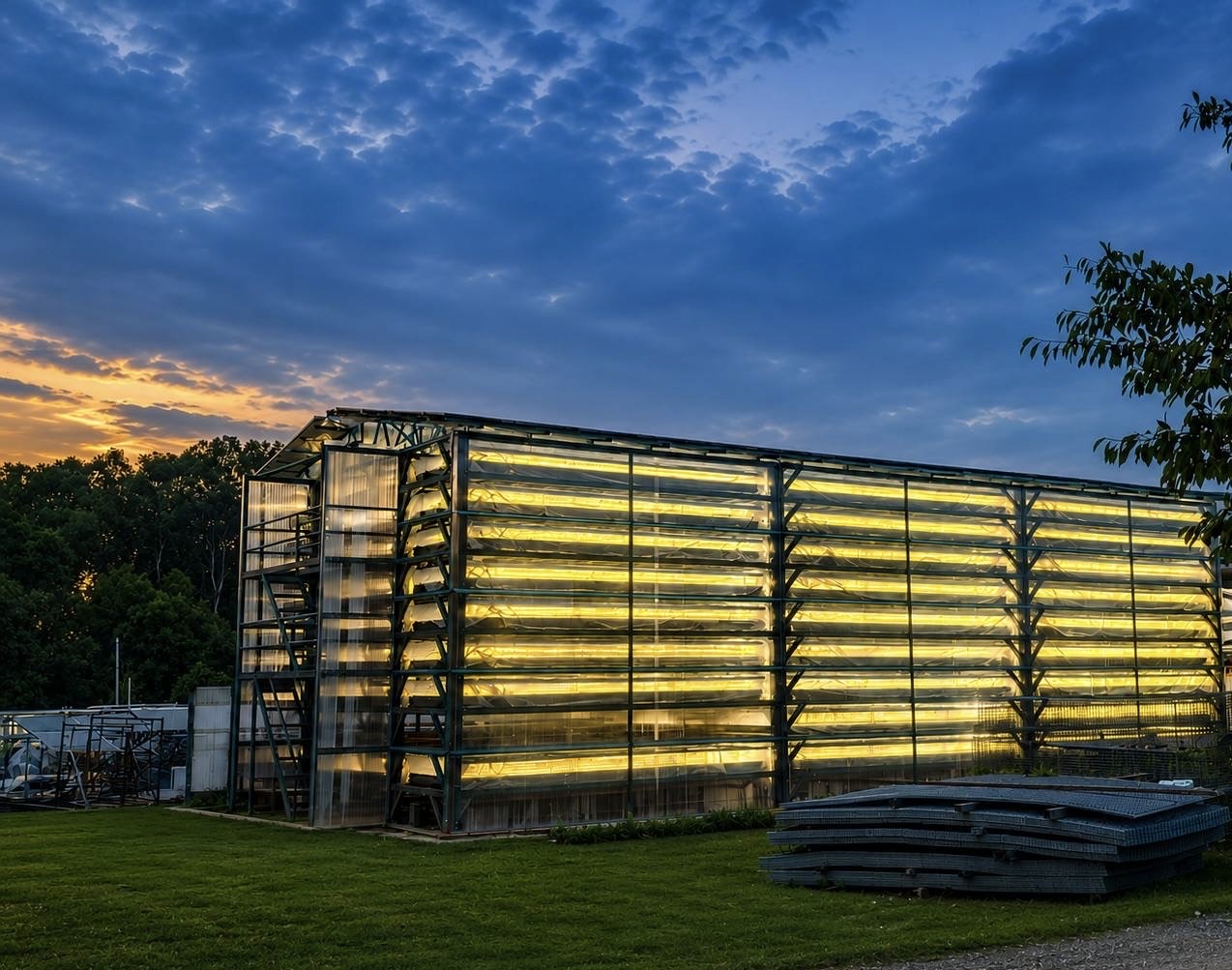
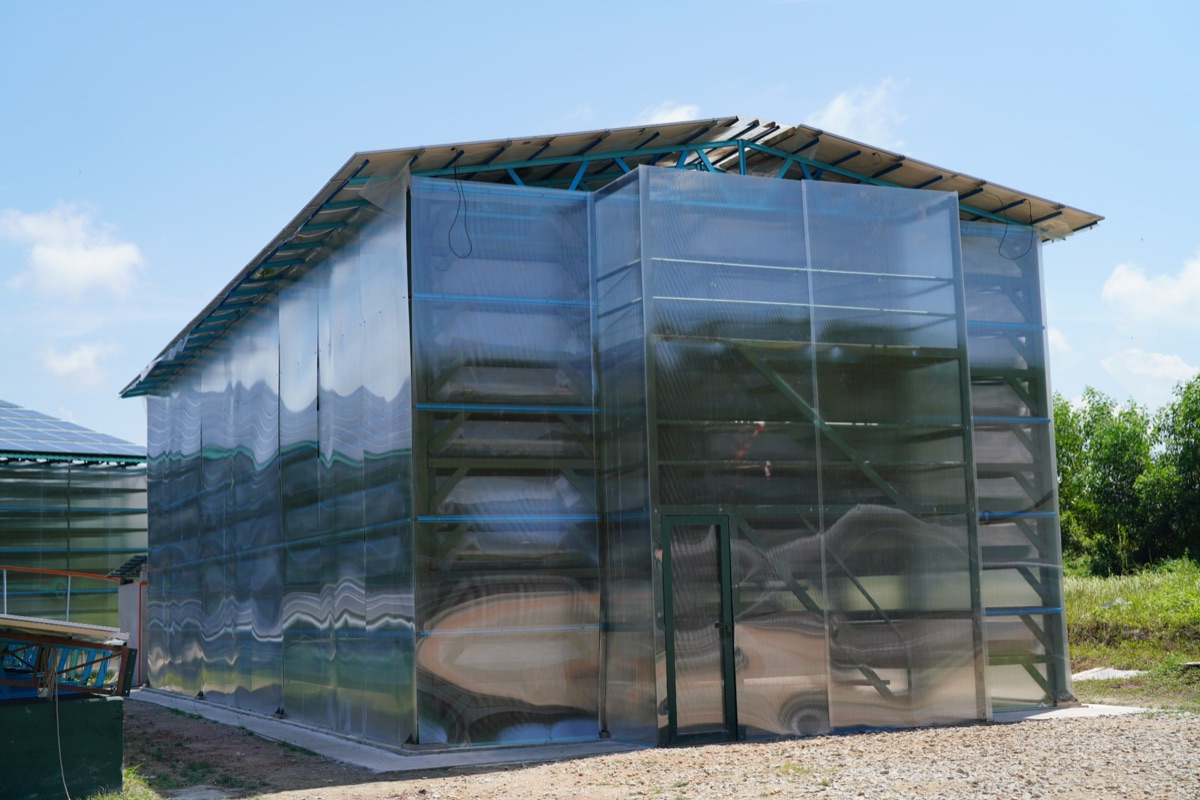
The Small Earth Factory (SEF) is a production facility for cultivating Mother Vegetable. In a typical configuration, 10 layers of culture tanks are installed, and cultivation area is secured by using vertical space.
Whereas outdoor ponds mainly use land in a flat arrangement, the SEF stacks cultivation layers on the same installation area. This allows a limited site to be used effectively.
5-1 | Multi-Tier Cultivation Structure
In the SEF, multiple tanks are arranged one above another to provide cultivation area that would be difficult to secure from the building's floor area alone.
The structure also allows lighting, water quality and other factors to be managed for each cultivation layer, so that growth conditions can be adjusted.
The purpose of this structure is to increase cultivation capacity per unit of site area.
5-2 | Comparison with Tubular and Film Cultivation
Microalgae can also be cultivated in tubular photobioreactors or by methods that use films or thin layers.
While these have advantages in light-use efficiency and management of the culture medium, depending on the shape of the equipment, cleaning of inner surfaces, removal of deposits and replacement of parts can be maintenance challenges.
In addition, resin materials in contact with the culture medium need appropriate inspection and management to prevent the generation of fine foreign matter as the materials deteriorate, wear or break.
The SEF of Mother Vegetable uses a different equipment structure centered on multi-tier tanks.
In this method, the way culture tanks, piping, wetted parts and so on are managed is designed to suit the equipment structure, with the aim of achieving both hygiene control and ease of maintenance.
Cultivation in as Little as 24 Hours and AI-Based Operation
Shortening the Cultivation Period by Controlling Environmental Conditions
With the technologies described above, the microalgae (genus Arthrospira) of Mother Vegetable Achieve can be grown to shipping size in as little as 24 hours under specific cultivation conditions inside the SEF. (in-house analysis)
The cultivation period of conventional spirulina varies with the strain, the initial amount of algae, culture density, temperature, illuminance, equipment scale, harvest criteria and other factors, and has been confirmed to take 7–30 days. (research by other companies)
In addition, in outdoor cultivation, variations in sunshine and air temperature are added, so the cultivation period, harvest volume and nutritional value may vary from lot to lot.
6-1 | Cultivation in as Little as 24 Hours
Mother Vegetable Achieve manages light, temperature, water quality, CO₂ supply and other factors, with the aim of shortening the cultivation period and improving harvest efficiency.
6-2 | AI-Based Cultivation Management
To manage the cultivation environment, Mother Vegetable is advancing the use of AI-based data analysis and control technology. The cultivation conditions covered include light, temperature, CO₂ supply, water quality and the growth of the algae. By analyzing these data and using them to adjust operating conditions, we aim to make production more efficient and quality more stable.
6-3 | Research with the University of Nottingham
Mother Vegetable is engaged in a research collaboration with the University of Nottingham in the UK on the use of algae-related data and on AI-based analysis and optimization of cultivation conditions. By incorporating the thinking of cultivation engineers into AI, we are training the AI to make the same cultivation decisions as an engineer when it faces specific conditions (for example, whether to strengthen the light, supply CO₂, or deliberately stop them).
Environmental Impact and the SDGs
Using CO₂ through Photosynthesis and Renewable Energy
The cultivation of Mother Vegetable Achieve makes use of the mechanism by which microalgae take up CO₂ through photosynthesis and synthesize organic matter. The Small Earth Factory runs on a combination of solar power generation and storage batteries, and by combining these, we aim to achieve both efficient raw material production and consideration for the environment.
7-1 | CO₂ Uptake through Cultivation
Spirulina has the characteristic of using large amounts of CO₂ as a carbon source through photosynthesis. Mother Vegetable Achieve also makes use of this characteristic and cultivates the microalgae with "CO₂ as their food," creating a cycle in which the more we produce, the more CO₂ is reduced and the more oxygen is generated.
7-2 | Renewable Energy
At the SEF, solar power generation and storage batteries are combined to supply power to the LED lighting and related equipment.
Through the use of renewable energy, the production system does not depend on external electricity or fossil fuels during operation.
7-3 | More Efficient Land Use
Because the vertical cultivation method using 10-layer tanks can increase cultivation area per unit of site area, unlike methods that require large outdoor ponds, it can secure cultivation area without deforestation or similar land clearing.
7-4 | Related SDGs
 SDG 2 | Zero HungerA stable supply of a high-protein food raw material.
 SDG 9 | Industry, Innovation and InfrastructureAdvancing cultivation technology and AI-based environmental control.
 SDG 12 | Responsible Consumption and ProductionQuality control, more efficient raw material production and optimal use of resources.
 SDG 13 | Climate ActionUsing CO₂ through photosynthesis and making use of renewable energy.
Nutritional Composition of Mother Vegetable Achieve
Protein, C-Phycocyanin and Other Nutrients
Spirulina is known as a food raw material derived from microalgae with a high protein content.
Mother Vegetable Achieve is also a raw material that contains protein, amino acids, lipids, vitamins, minerals, C-phycocyanin and more.
The figures below are based on in-house analysis.
Main Components (per 100 g)
| Component | Mother Vegetable Achieve |
|---|---|
| Energy | 398 kcal |
| Protein | 65 g |
| Fat | 6.5 g |
| Carbohydrates | 20 g |
| Dietary fiber | 12 g |
| C-phycocyanin | Approx. 16–20 g |
| Iron | 28.5 mg |
| Potassium | 1,360 mg |
| Magnesium | 195 mg |
* Figures are based on in-house analysis. C-phycocyanin is a type of protein and is not a component to be added on top of the 65 g of protein. Dietary fiber is included in carbohydrates, so the items should not simply be added together.
8-1 | Protein
According to in-house analysis, Mother Vegetable Achieve contains 65 g of protein per 100 g. The protein content of conventional spirulina is reported in the literature as approximately 55–70% of dry weight, and a defining feature of Achieve is its consistently high protein content.
8-2 | C-Phycocyanin
C-phycocyanin is a blue pigment protein found in spirulina and other organisms.
Its use as a natural colorant and its applications in food are being studied.
According to in-house analysis, Mother Vegetable Achieve contains approximately 16–20 g of C-phycocyanin per 100 g.
The content varies with the cultured strain, light conditions, cultivation environment and measurement method. Conventional spirulina has been reported at 15 g (literature from other companies), while Achieve records higher values thanks to light-source control and AI-based production.
8-3 | Other Nutrients
Mother Vegetable Achieve contains amino acids, fatty acids, vitamins, minerals and more.
Its defining feature is that, rather than extracting a single nutrient, it uses the multiple components contained in microalgae as a raw material.
Quality Control as a Food Raw Material
Characteristics of the Cultivation Method and Quality Evaluation of the Final Raw Material
Mother Vegetable Achieve reduces contamination risks originating from the external environment by using managed indoor cultivation.
Important items to check include heavy metals, microorganisms, cyanotoxins where necessary, residues such as agricultural chemicals, foreign matter and nutritional components, and in both in-house analysis and third-party analysis (ALS) these fall well below the reference levels.
Mother Vegetable Achieve is produced as a raw material by combining management of the cultivation environment with quality checks of the product.
Frequently Asked Questions
FAQ about Mother Vegetable Achieve
Q1. How does Mother Vegetable Achieve differ from conventional spirulina?
The main differences lie in the cultivation environment, the way production is managed, and the difference in how much impurity adheres. Mother Vegetable Achieve uses a method that controls LED lighting, temperature, water quality, CO₂ and other factors in a managed indoor environment, and because this more readily reduces the risk of contamination from the external environment, such as rain and dust, compared with conventional outdoor open-pond cultivation, the absorption of impurities into Achieve itself is avoided as far as possible.
Q2. Is spirulina grown outdoors unsafe?
This does not mean that spirulina grown outdoors is necessarily dangerous.
There are producers who carry out appropriate culture water management, hygiene control and product testing.
However, because outdoor open-pond facilities are affected by the external environment, measures against contamination risk are necessary.
Q3. Does spirulina absorb heavy metals?
Microalgae, including spirulina, have the property of adsorbing and taking up metals present in the surrounding water.
For this reason, when spirulina is cultivated as a food raw material, quality control of the culture water and testing of the harvest are important, and spirulina grown in an environment with poor water quality is at risk of absorbing impurities at the same time.
Q4. Does sunlight inhibit the growth of spirulina?
Sunlight is necessary for spirulina's photosynthesis, but excessive light intensity can cause photoinhibition.
Appropriate management of light intensity, exposure time, temperature and other factors is needed, and sunlight also contains light that inhibits the growth of spirulina. In Mother Vegetable's cultivation method, AI is used to control the light so that the microalgae that are the raw material of Achieve receive the optimal light.
Q5. What are the features of Achieve's LEDs?
Mother Vegetable Achieve uses a cultivation method in which LED lighting that can control and emit multiple types of light, including violet light, is used and the intensity, wavelength and other properties of the light are adjusted. By controlling the light environment according to the growth stage, we aim to maintain stable cultivation conditions.
Q6. Does Achieve grow in 24 hours?
By preparing the environment inside the SEF, we grow it to shipping size in as little as 24 hours under specific conditions.
The cultivation period varies with factors such as initial density, equipment, strain and harvest criteria, so this does not apply under all conditions.
Q7. What is the Small Earth Factory?
The Small Earth Factory is a facility for cultivating Mother Vegetable's microalgae. It can run on solar power alone, and Mother Vegetable's microalgae grow while CO₂ emissions are kept to a minimum. In a typical configuration, 10 layers of culture tanks are stacked, and LED lighting, water quality and other factors are managed, creating an environment that allows large-scale cultivation even on a limited site area.
Q8. Do you use AI to manage cultivation?
Mother Vegetable is conducting research and development, jointly with the University of Nottingham in the UK, that uses AI technology to analyze cultivation data and optimize growth conditions.
Q9. Does Achieve absorb CO₂?
The microalgae that are the raw material of Achieve take up CO₂ through photosynthesis. Because the SEF itself runs on solar power alone, in addition to absorbing CO₂, its production system does not depend on external electricity or fossil fuels during operation.
Q10. What is the protein content of Achieve?
65 g per 100 g (in-house analysis).
Q11. What is the C-phycocyanin content of Achieve?
Approx. 16–20 g per 100 g (in-house analysis).
Q12. Is Achieve safer than conventional spirulina?
Please judge it as an effective equipment-based option: indoor cultivation, no use of agricultural chemicals and the like, and reduced risk of contamination by foreign matter and microorganisms from outdoors.
Technical Documents and Raw Material Information
If you need specialized documents such as raw material information, please see our Resources for Medical and Research Institutions page.
Related Links
- Resources for Medical and Research Institutions https://www.mothervegetable.org/professional-en
- Technical Information on Mother Vegetable Confidence https://www.mothervegetable.org/technology/confidence-en
References
Cultivation Methods and Nutritional Composition of Spirulina
Spirulina—An Invaluable Source of Macro- and Micronutrients with Broad Biological Activity and Application Potential.
Molecules, 2024.
https://pmc.ncbi.nlm.nih.gov/articles/PMC11596570/
Light Intensity, Wavelength and Spirulina Cultivation
Spirulina (Arthrospira) cultivation in photobioreactors: From biochemistry and physiology to scale up engineering.
Bioresource Technology, 2025.
https://pubmed.ncbi.nlm.nih.gov/39971103/
C-Phycocyanin and Light Wavelength
Exploring effective light spectral conversion techniques for enhanced production of Spirulina-derived blue pigment protein, C-phycocyanin.
2024.
https://pubmed.ncbi.nlm.nih.gov/38508281/
Challenges in Spirulina Cultivation
Advances in Spirulina Cultivation: Techniques, Challenges, and Applications.
2024.